All Categories
Featured


How Local Search Marketing Impacts Small Business Leads
Table of Contents
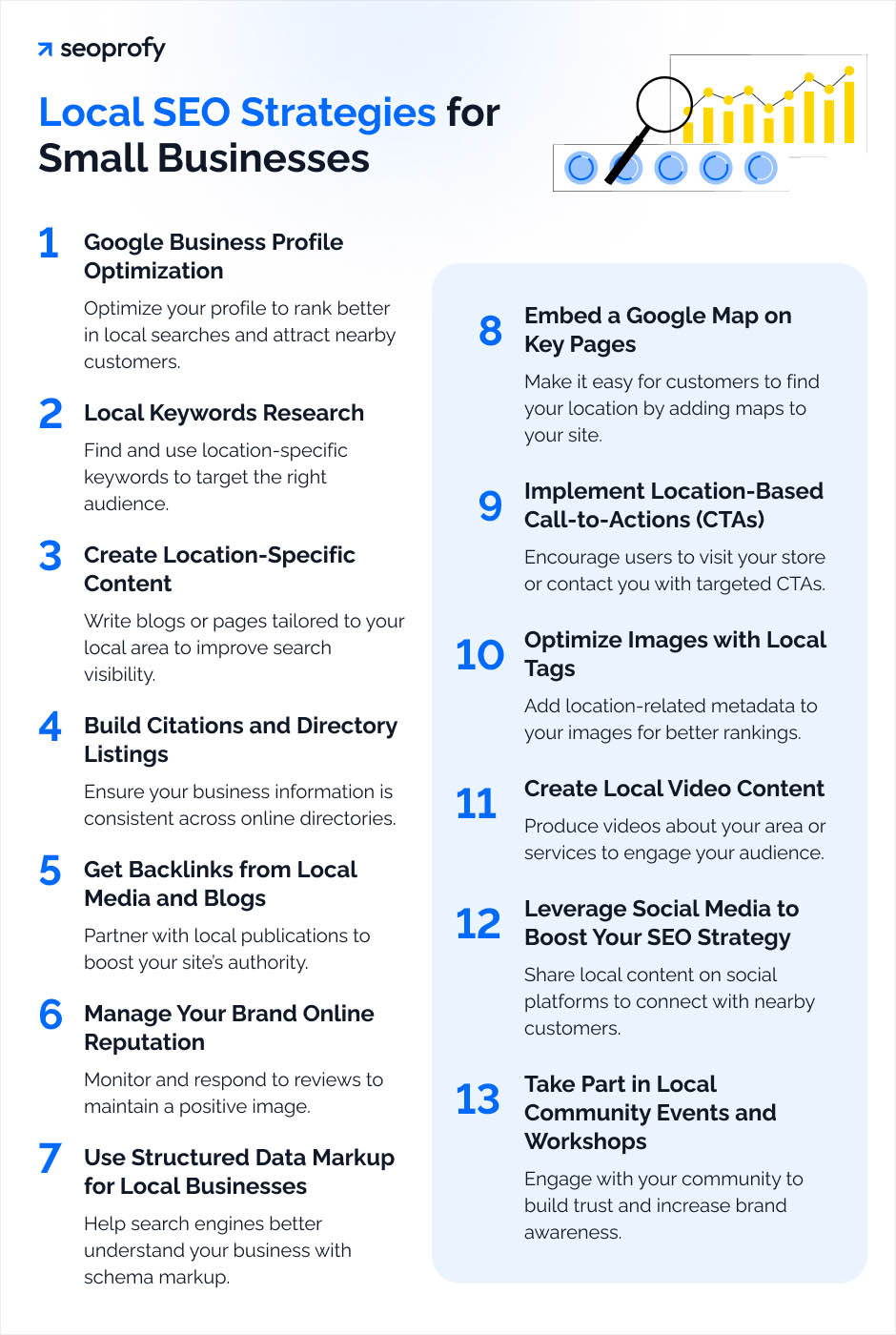
This includes your organization name (precisely as it appears in the real life), total address with suite numbers, main telephone number (regional, not toll-free), website URL, service hours including unique hours for holidays, and an in-depth business description incorporating relevant keywords naturally. Select the most particular main category for your businessthis single selection brings substantial ranking weight.
Add secondary classifications that properly explain additional services, but prioritize precision over keyword stuffing. An oral practice might choose "Dental expert" as main and include "Cosmetic Dental practitioner" and "Emergency Dental Service" as secondaries if those services are truly offered. Upload high-quality images regularlybusinesses with pictures get 42% more demands for directions and 35% more click-throughs to their websites than those without.
Google's data shows that services posting images weekly see increased engagement, so establish a constant posting schedule rather than uploading everything at once. If applicable, include 360-degree virtual trips, which Google highlights with special badges and which substantially increase engagement for location-based companies like restaurants, hotels, and retail stores.
While posts end after 7 days, keeping an active publishing schedule signals to Google that your service is actively handled and engaged with clients. Posts also offer additional opportunities to incorporate appropriate keywords and calls-to-action that drive conversions. Make it possible for all suitable attributes for your businessthese special functions like "wheelchair available," "free Wi-Fi," "outdoor seating," or "women-led" help your organization appear in more specific searches and offer important details to potential clients.
How Local Search Optimization Impacts Small Business Leads
Regional citationsmentions of your company name, address, and telephone number (NAP) on other websitesfunction as trust signals that confirm your business's authenticity and location. Google cross-references info from hundreds of sources to confirm service details, making citation consistency a crucial ranking aspect. Disparities develop confusion and deteriorate trust in your organization information.
These platforms disperse service information to hundreds of downstream directories, apps, and services, creating a multiplier impact from a single accurate submission. Next, claim and enhance listings on industry-specific directory sites pertinent to your organization.
Utilize the identical company name format, address structure, and phone number everywhere. Produce a recommendation file with your canonical NAP info and use it consistently across all platforms.
[target1:anchor_exact1]
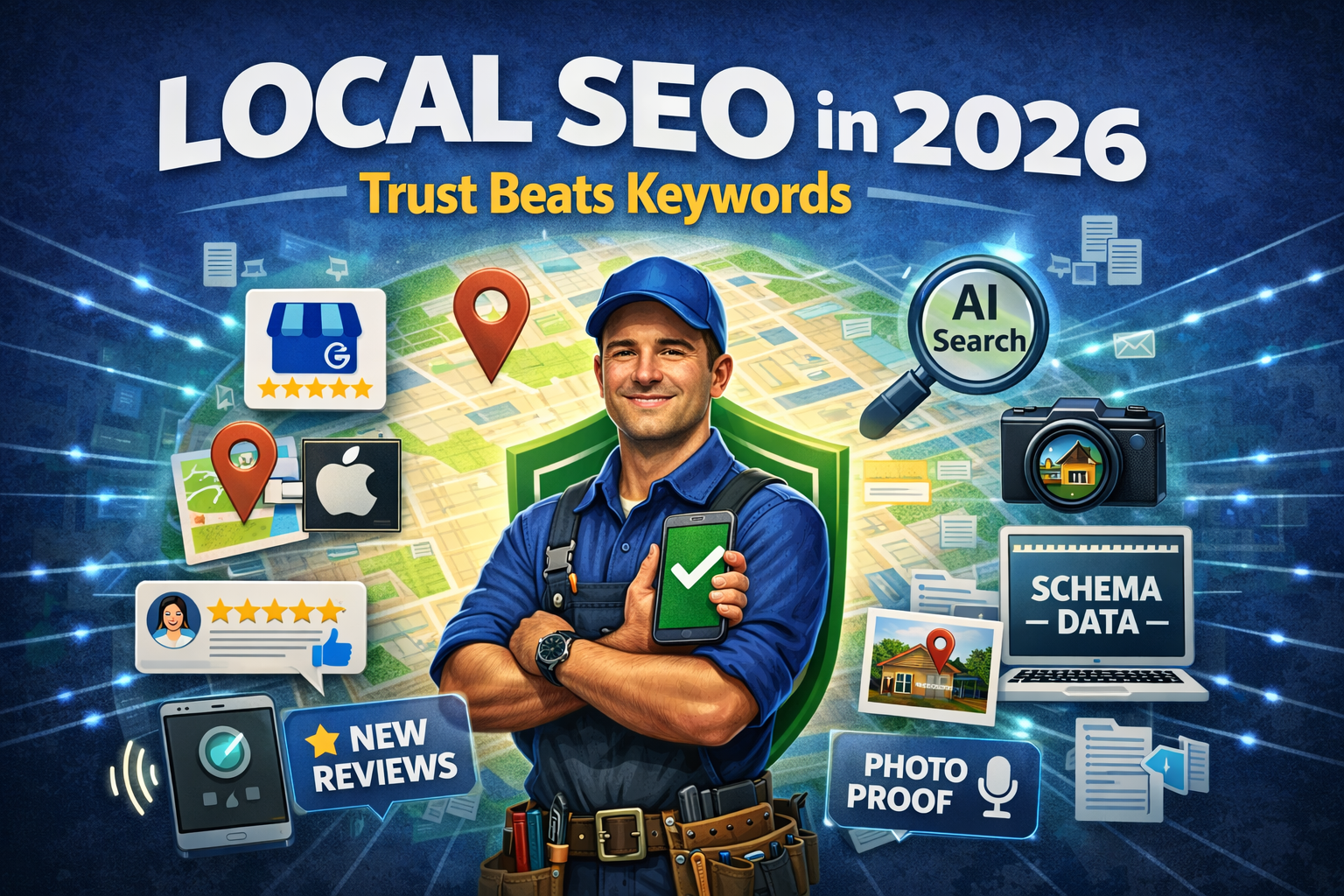
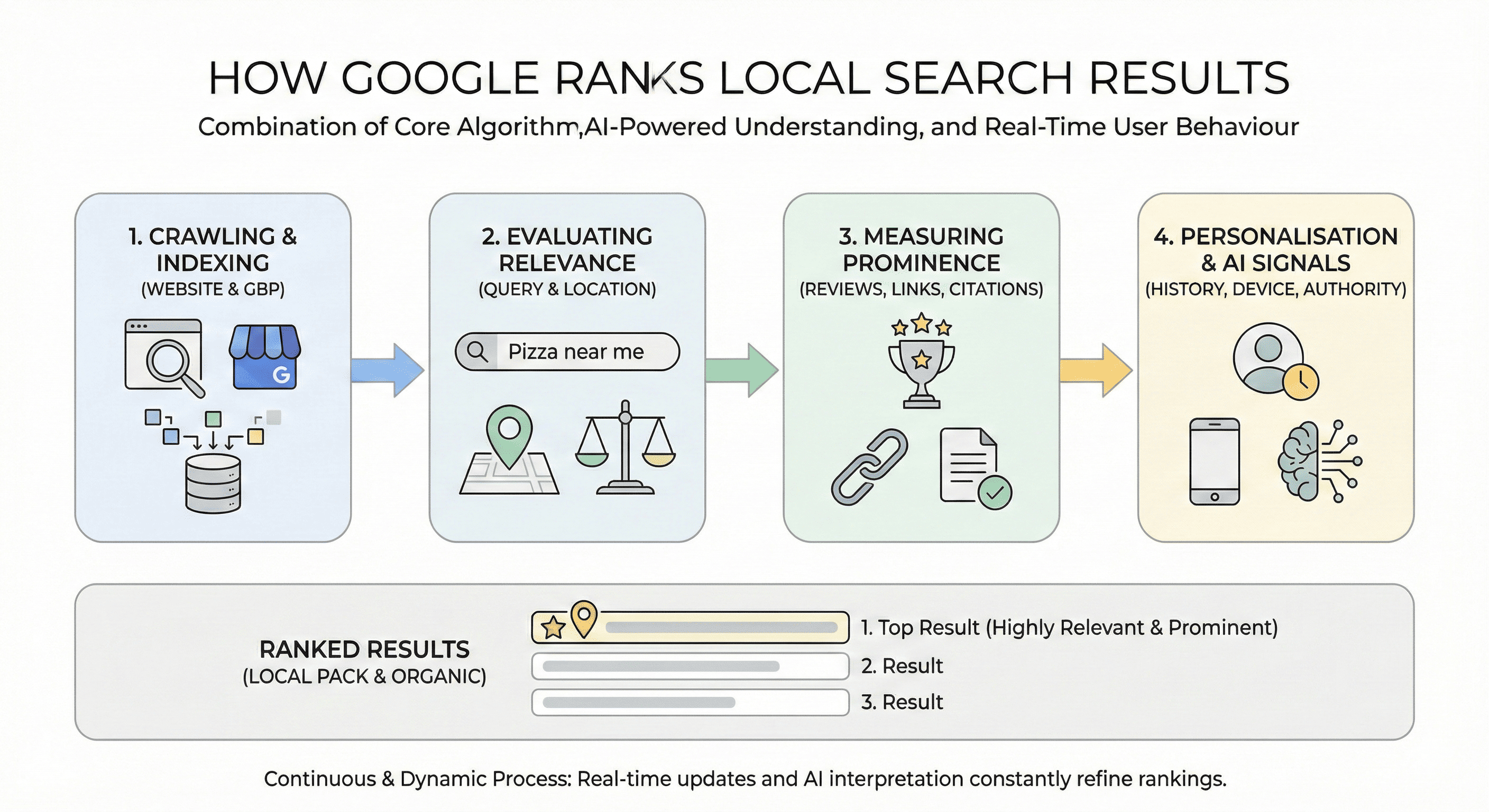
Local directory site environments vary substantially in between Singapore, Malaysia, Indonesia, and China, needing market-specific methods instead of one-size-fits-all approaches. Evaluations directly affect Map Load rankings through multiple mechanisms: evaluation quantity, review velocity (how often you receive new reviews), evaluation ratings, and evaluation recency all factor into Google's prominence computations. Beyond algorithmic impacts, evaluates impact customer behavior93% of customers report that online evaluations impact their acquiring decisions, making review management both a ranking element and a conversion optimization strategy.
The most effective methods integrate evaluation requests into existing consumer touchpoints: post-purchase emails, service conclusion follow-ups, receipt e-mails, or customer success check-ins. Timing mattersrequest examines when customer fulfillment peaks, usually right away after a positive interaction or effective outcome. Make leaving evaluations uncomplicated by offering direct links to your Google Organization Profile review page.
Why Nearby Map Pack Rankings Matter in 2026
Some businesses produce shortened URLs or QR codes that can be shared via multiple channels, from e-mail signatures to printed products at physical places. Train your group to demand evaluations conversationally when proper. A genuine, individual request from a company frequently creates reviews better than automated e-mails. Guarantee staff member understand they should never provide incentives for evaluations (breaking Google's policies) but can highlight how evaluations help other customers make notified decisionsan approach that resonates with community-minded customers.
Google's data recommends that organizations reacting to reviews see greater rankings, and customers see businesses that respond as more trustworthy and customer-focused. Objective to respond to every review within 24-48 hours while the conversation stays timely and pertinent. For favorable reviews, express authentic appreciation and personalize actions by referencing particular information from their review.
For unfavorable reviews, react expertly and empathetically, acknowledge issues, and offer to solve concerns offline. Your response talks to possible clients reading the evaluation as much as to the customer themselves. Unfavorable evaluations, while unpleasant, can in fact enhance your organization profile when managed correctly. A mix of reviews appears more authentic than best 5-star rankings, and thoughtful responses to criticism show accountability and client commitment.

Latest Posts

Utilizing Advanced Search Features to Drive Success
Why Profile Management Is Essential for Small Growth
Utilizing New Search Features for Success