All Categories
Featured

They're entities and subtopics that signify topical depth Build Material That Demonstrates Genuine Expertise and Trust Google's E-E-A-T structure (Experience, Know-how, Authoritativeness, Credibility) is main to how content quality is evaluated in 2026, especially for YMYL (Your Cash, Your Life) topics like health, financing, and legal suggestions. Experience Has the author in fact done what they're blogging about? First-hand experience signals initial images, case studies, individual anecdotes powerfully differentiate your material from generic AI-generated text.
Build authority through quality backlinks, market citations, brand discusses, and constant publishing on your core topic. Usage HTTPS, consist of clear author bios, cite reputable sources, keep accurate contact information, and keep content up to date.
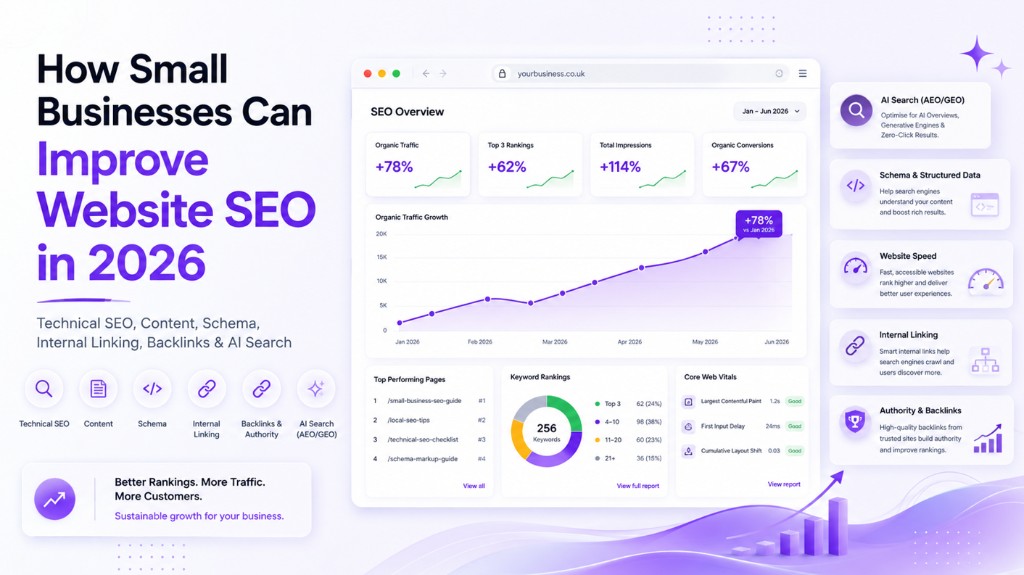
They're your page's table of contents for both humans and AI. Browse engines use headers to draw out key subjects, produce featured bits, and construct AI Introduction responses. ? One just AI Overview Pointer Expression some H2/H3 headers as concerns (e.g., "What Is an H1 Tag?" or "How Do You Optimize a Meta Description?").
Regularly Update Content to Maintain Ranking Position Material freshness is a considerable ranking factor for time-sensitive inquiries. Pages that when ranked well however have not been updated in 1218 months often experience "content decay" a steady drop in rankings as fresher, more updated rivals outshine them. Content Refresh Checklist? Update the publication date when you make significant changes (not just cosmetic edits)? Replace out-of-date statistics with existing information (with source links)? Remove or update suggestions that no longer reflects current finest practices? Include brand-new areas covering subjects that have emerged because original publication? Repair damaged internal and external links? Replace outdated screenshots or images? Examine that the page still matches the dominant search intent for the target keyword Phase 4: Hyperlinks, Media & UX Develop the Internal Architecture That Moves Rankings Develop a Strategic Internal Link Network Internal links are how Google discovers, indexes, and comprehends the relationship in between your pages.
Managing Customer Reviews to Boost Rankings
Link from high-traffic pages to crucial pages: Identify your best-performing material and include internal links to pages you want to rank? Fix orphan pages: Every page on your website should be linked from at least one other page orphan pages rarely rank? Use topic clusters: Arrange content into a hub-and-spoke design one thorough "pillar" page on a broad topic linked to and from a number of more in-depth "cluster" pages?
One comprehensive pillar page (e.g., "Total SEO Guide") links to and gets links from cluster pages (e.g., "On-Page SEO," "Technical SEO," "Link Building"). This informs Google you have deep, extensive coverage of a subject. Which is a significant signal for topical authority. Link to High-Authority External Sources Strategically Connecting out to reliable external sources, initial research study, reliable publications, federal government websites, peer-reviewed journals signals to Google that your content is well-researched and trustworthy.

? Go for 13 top quality outbound links per 1,000 words? Link to primary sources (the initial research study, not a blog site post mentioning it)? Open external links in a brand-new tab to minimize bounce rate? Prevent connecting to competitors unless absolutely required for accuracy? Usage rel="nofollow" for paid links or untrusted sources Make Every Image Work Harder for Your SEO Images are among the most overlooked on-page SEO opportunities.
Updated Local Rankings
Total Image Optimization Checklist OPTIMIZATION HOW TO PERFORM IT effect File format: Usage WebP or AVIF Convert JPEGs/PNGs to WebP utilizing tools like Squoosh or an image CDN High Compress before submitting Usage TinyPNG, ShortPixel, or Imagify; target Stage 5: Technical On-Page Elements The Technical Layer That Powers Your Rankings Implement Structured Data to Win Rich Results Schema markup (structured information) is code added to your HTML that assists search engines comprehend the meaning of your content, not simply the words, however the entities, relationships, and context those words represent.
Article News, post. Shows author, release date, and heading in search. Item Cost, availability, scores. Important for ecommerce pages. FAQ Expands your SERP listing with Q&A pairs. Excellent for AI Introduction citations. Recipe Active ingredients, cook time, rankings. Controls food SERPs with rich cards. Resident Service Address, hours, phone. Critical for brick-and-mortar regional SEO.

Latest Posts
Utilizing Advanced Search Features to Drive Success
Why Profile Management Is Essential for Small Growth
Utilizing New Search Features for Success